


June is Pride Month, and every year, brands face the same question… how do you show support in a way that feels genuine and not performative?
The answer isn’t a rainbow log or a one-off social post. The campaigns people remember are usually the ones that do something useful, tell a story worth hearing, or show a commitment that stretches beyond June.
Here are a few examples that got it right, and what marketers can learn from them.
Hinge
Hinge created resources and advice specifically for LGBTQ+ daters. Rather than focusing entirely on awareness, they looked at the actual experiences of people using their platform and created a useful FAQ guide, specifically catered to LGBTQ+ daters, which made the campaign feel relevant. Audiences can tell when a campaign is built around a genuine need rather than a marketing calendar.
The lesson: The strongest campaigns start with people, not promotions. If you can solve a problem, you’re already giving your audience a reason to pay attention.
Levi’s
Levi’s has supported LGBTQ+ charities, organisations and communities for years. When a brand consistently shows up, people notice. Support feels far more credible when it exists throughout the years. Consumers are paying closer attention to whether a brand’s actions reflect its messaging.
The lesson: Consistency matters more than visibility. Trust is built over time, not during a single campaign.
Stonewall Rainbow Laces
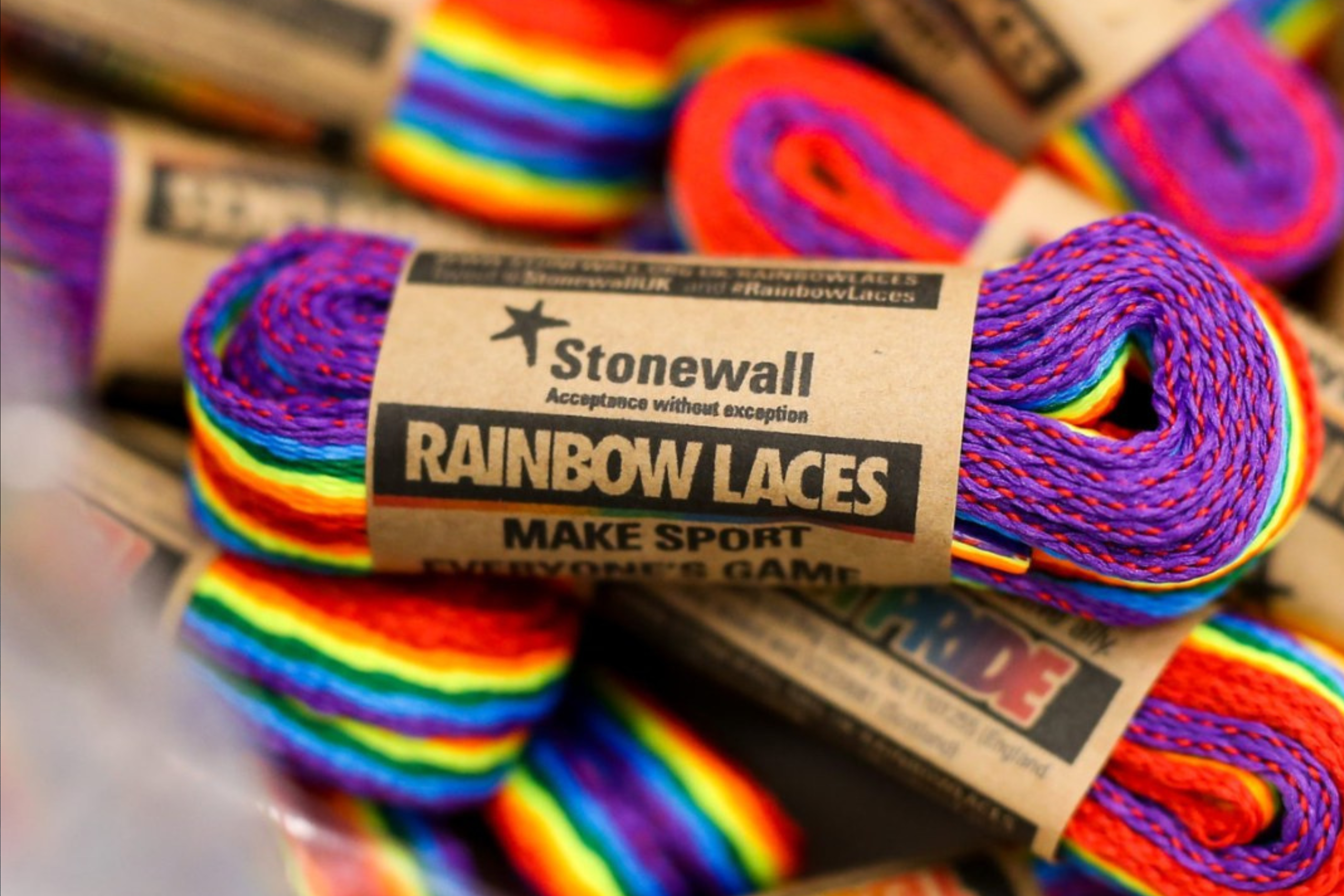
The Rainbow Laces campaign is an initiative led by the LGBTQ+ charity Stonewall aimed at tackling discrimination and promoting inclusion for LGBTQ+ people in sports and fitness. By wearing the iconic rainbow laces, participants, teams, and fans send a highly visible signal that everyone is welcome to participate in sports. became one of the most recognisable initiatives in British sport. Athletes, clubs and supporters weren’t just asked to agree with a message. They were given a simple way to show support and become part of the movement.
That’s often where campaigns succeed or fail. People are far more likely to engage when they have something meaningful to do.
The lesson: Awareness is important. Action is what makes it stick.
LEGO
LEGO’s Everyone Is Awesome set, which was LEGO’s first ‘LGBT+’ set, featured its figurines spray painted to represent each part of the rainbow, the set wasn’t simply marketed towards LGBTQ+ audiences; it was designed with representation in mind. Created by an LGBTQ+ designer, the product itself carried the message, and the marketing supported the idea. Many brands talk about inclusion. Fewer build it into what they create.
The lesson: Inclusion feels strongest when it’s part of the product, service or experience itself rather than something added on afterwards.
Starbucks
Starbucks’ What’s Your Name campaign followed the experience of a transgender teenager using their chosen name. The story was personal, and it resonated with its audience. The campaign focused on a real moment that many people could connect with emotionally, whether they shared that experience or not.
The lesson: Authentic storytelling creates connection because it puts people at the centre, not brands.
MAC Cosmetics
MAC’s 2026 Viva Glam campaign featuring Chappell Roan directs 100% of the selling price from campaign products towards causes supporting equality and inclusion. The commitment is clear, and thus, so is the impact.
When brands connect purchases to a cause, audiences want to know what difference their money is actually making.
The lesson: If you’re asking people to buy into a cause, be transparent about where the money goes and what it achieves.
So what makes Pride marketing impactful?
Looking across these campaigns, none of them relied solely on visibility. Instead, they focused on helping people, creating opportunities for action, telling meaningful stories or demonstrating long-term commitment. The Pride element mattered, but it wasn’t the only thing that made the work effective. And that’s probably the biggest takeaway for marketers.
Great Pride marketing isn’t about what a brand says in June. It’s about what people see the other eleven months of the year. That’s what people remember.
Want to hear more about our favourite LGBT+ venues in Manchester? Check out our blog HERE


